I’ve been injured more times than I can count. IT band syndrome that sidelined me for three months. Plantar fasciitis that made every morning step excruciating. Stress fractures from ramping up mileage too fast. Achilles tendinitis that still flares up if I’m careless.
Most of these injuries were preventable. Not through magic shoes that fix biomechanical issues, but through smarter choices about footwear, training progression, and actually listening to my body instead of pushing through pain.
Ultra shoes can help prevent injuries or contribute to them depending on how you use them. The right shoes for your specific needs and running style reduce injury risk. The wrong shoes – even expensive, highly-rated ones – increase it.
Here’s what actually works for staying healthy during ultra training and racing.
Rotate Multiple Pairs Of Shoes
Running in the same shoes every day creates repetitive stress injuries. Your foot strikes in exactly the same pattern, loading the same structures identically mile after mile.
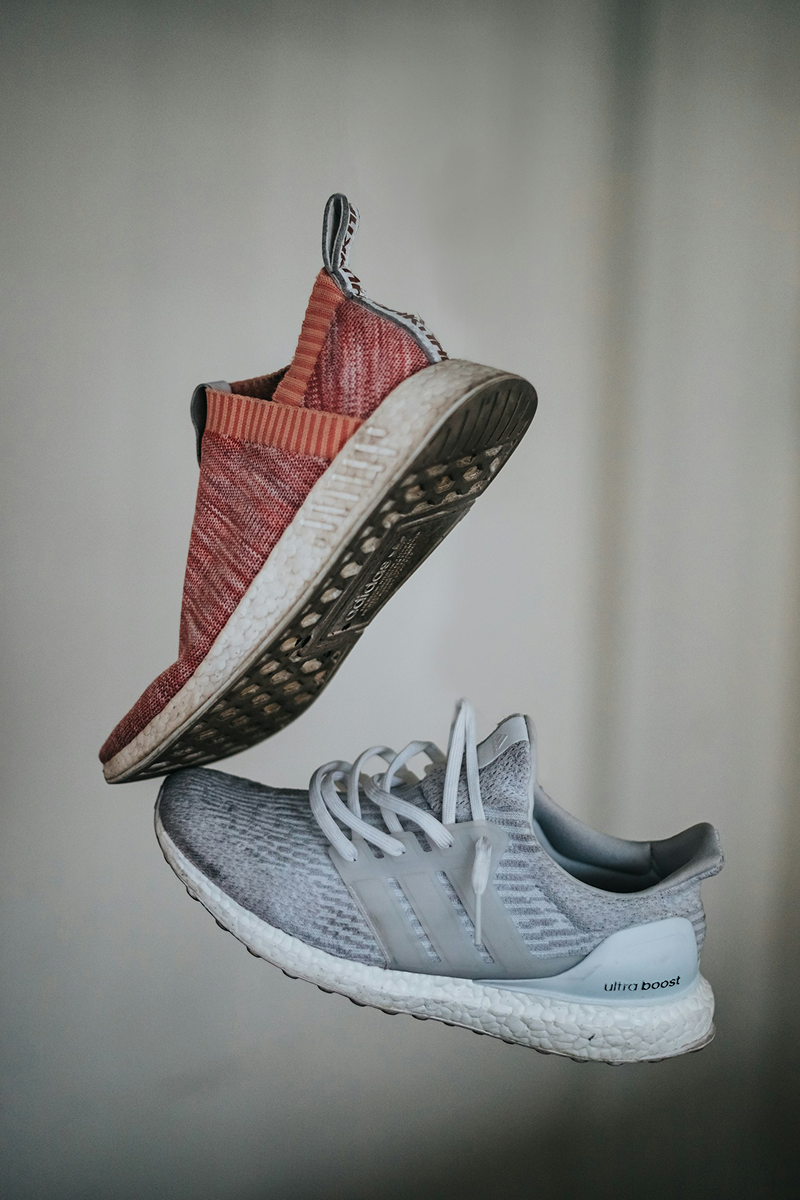
I rotate between three different pairs of shoes throughout the week. Different stack heights, different drops, different cushioning firmness. This variation distributes stress across different tissues instead of hammering the same areas constantly.
Road shoes for easy recovery runs, trail shoes for technical days, and a third pair for long runs. Each pair stresses my feet and legs slightly differently, reducing overuse injury risk.
Rotation also extends shoe life. Foam needs 24-48 hours to fully decompress after a run. Running in the same shoes daily doesn’t allow full recovery, and the foam breaks down faster. Multiple pairs means each pair lasts longer.
Track mileage on each pair separately. I retire shoes at 350-400 miles for ultras since worn-out cushioning increases injury risk. Continuing to run in dead shoes because they still look okay is asking for problems.
Match Cushioning To Your Needs
Maximum cushioning isn’t always better. I learned this by developing knee pain in super-cushioned shoes that felt amazing initially. Turns out the thick foam altered my stride mechanics in ways that stressed my knees.
Heavier runners generally benefit from more cushioning to absorb impact forces. Lighter runners can often use less cushioned shoes without problems. Your bodyweight affects what cushioning level works.
Technical terrain needs enough cushioning to protect your feet from sharp rocks and roots. But too much cushioning reduces ground feel and makes you unstable on uneven surfaces. Balance protection with responsiveness.
Cushioning degrades over time. Shoes with 200 miles on them provide significantly less impact protection than fresh shoes. What felt comfortable at mile 50 might cause problems at mile 250 as foam compresses permanently.
I prefer moderate cushioning with rock plates for protection rather than maximum foam. Allows better ground feel while still protecting from sharp trail features. Finding options among top-rated ultra shoes that balance these factors takes research.
Choose Appropriate Drop For Your Biomechanics
Heel-to-toe drop affects how your foot strikes and loads. I ran in zero-drop shoes for a year and developed chronic calf tightness and Achilles issues. My body needed some drop to function properly.
Traditional 10-12mm drop shoes encourage heel striking, which works fine for some runners but creates impact issues for others. Lower drop encourages midfoot striking but stresses calves and Achilles more.
Switching drop heights requires gradual adaptation. Going from 10mm to 4mm overnight invites Achilles tendinitis. Transition slowly over several months, mixing new drop heights with familiar shoes.
There’s no universally correct drop. Biomechanics, injury history, and running style all factor in. I run best in 6-8mm drop after years of experimentation. Your ideal might be completely different.
Listen to your body when trying different drops. Calf soreness, Achilles tightness, or knee pain appearing after switching shoes indicates the new drop doesn’t work for you. Don’t force it.
Address Pronation Appropriately
Overpronation gets blamed for everything, but moderate pronation is normal and healthy. I spent years in motion-control shoes I didn’t need, creating different problems while “fixing” nonexistent pronation issues.
Get a gait analysis at a specialty running store before assuming you need stability features. Many runners who think they overpronate actually have neutral mechanics and do better in neutral shoes.
Stability shoes use firmer foam on the medial side to resist pronation. This works for genuine overpronators but feels uncomfortable and restrictive for neutral runners. Don’t use stability features you don’t need.
Underpronation (supination) is less common but creates its own injury risks. Supinators need shoes with plenty of cushioning and flexibility since their feet don’t naturally absorb shock through pronation.
Pronation patterns can change with fatigue. Some runners pronate more during the late miles of ultras as muscles fatigue and form deteriorates. Shoes that work for marathons might not prevent late-race injuries in 100-milers.
Build Mileage Gradually In New Shoes
Switching to drastically different shoes and immediately running normal mileage invites injury. Your body needs time to adapt to new stress patterns from different shoes.
I introduce new shoes on easy, short runs first. Maybe 3-4 miles of relaxed running. Then gradually increase distance over several weeks while monitoring for any pain or discomfort.
The 10% rule applies when changing shoe types. Don’t increase mileage or intensity by more than 10% weekly, especially in new shoes that load your body differently.
Moving from heavily cushioned shoes to minimalist shoes requires months of adaptation. Your feet, ankles, and calves need to strengthen gradually. Rushing this transition causes stress fractures and tendon injuries.
Even switching between similar shoes from different brands requires some adaptation period. Each manufacturer uses different materials and geometries that affect how forces transmit through your body.
Wrapping This Up
Injury prevention isn’t about finding magic shoes that make you invincible. It’s about choosing appropriate footwear for your specific biomechanics and using them intelligently.
Rotate multiple pairs of shoes to vary stress patterns and extend shoe life. Match cushioning and drop to your actual needs rather than marketing claims or what works for other runners.
Build mileage gradually in new shoes and pay attention to how your body responds. Pain is information telling you something isn’t working – address it instead of pushing through.
Replace shoes before cushioning fully breaks down. Running in worn-out shoes dramatically increases injury risk no matter how good they felt when new.
Stay healthy by being smart about footwear choices and listening to your body. Preventing injuries keeps you running consistently, which matters more for ultra performance than any single pair of shoes.
Previous Article
Finding Perfect Fit For Ultra Running ShoesNext Article
Weather-Ready Designs In Ultra Running Shoes