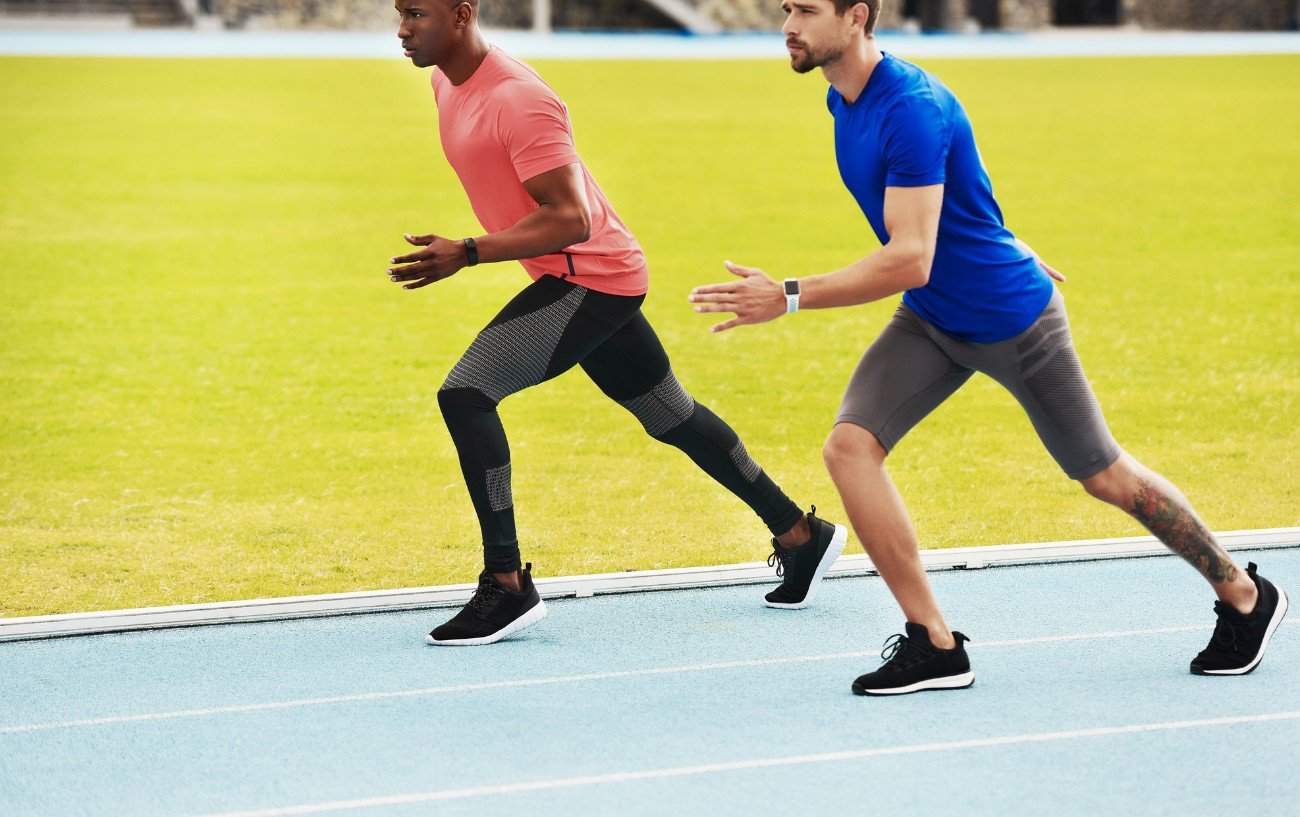
My running form was terrible for years and I didn’t even know it. I heel-struck aggressively, my cadence was low, and I basically pounded the ground with every step. Worked fine for 5Ks and 10Ks. Started causing problems when I moved to ultras.
The pain started around mile 20 of long training runs – knee pain, hip soreness, foot problems. I assumed it was normal ultra suffering. My coach watched me run and immediately pointed out form issues that the wrong shoes were encouraging.
Switching to shoes designed for ultra distances actually changed how I ran. Not overnight, and not magically, but the different geometry and features encouraged better mechanics naturally. Combined with focused form work, my efficiency improved significantly.
Here’s how shoe design actually affects your running form over long distances.
Stack Height And Stride Mechanics
Stack height – the total thickness of cushioning under your foot – affects ground contact time and stride mechanics more than most runners realize.
High stack shoes with 35-40mm of foam encourage longer ground contact because you’re compressing more material with each step. You sink into the cushioning slightly, which slows transition from landing to push-off.
Lower stack shoes around 20-25mm reduce ground contact time naturally. There’s less compression, so your foot rebounds faster and you spend less time on the ground per step.
I ran in maximum cushion shoes initially thinking more protection was better. My stride got lazy – landing heavy, staying on the ground longer, and pushing off inefficiently. Switched to moderate stack shoes and my cadence increased without conscious effort.
Ground feel improves with lower stacks. You sense terrain changes faster and react more precisely. This encourages active foot placement instead of passively landing wherever your foot falls.
Extremely low stacks require significant foot and lower leg strength. I tried minimal shoes too quickly and developed Achilles problems from the sudden change. Moderate stacks around 25-30mm provide ground feel while maintaining adequate protection for ultra distances.
Heel-To-Toe Drop Impact
Drop – the height difference between heel and forefoot – influences strike pattern significantly. Higher drops encourage heel striking. Lower drops promote midfoot or forefoot strikes.
Traditional running shoes use 10-12mm drops, supporting heel strike patterns most people develop naturally. When researching running shoes for ultras, you’ll notice most use 4-8mm drops that encourage more efficient strike patterns.
I switched from 12mm to 4mm drop and my strike pattern shifted forward naturally over several weeks. Didn’t consciously change anything – the geometry just encouraged different mechanics.
Lower drops stretch your Achilles and calves more with each stride. This creates problems if you transition too quickly. I needed three months of gradual adaptation before attempting long runs in low-drop shoes.
Zero drop shoes sound appealing in theory – “natural” running position and all that. Reality is they stress the Achilles intensely and most runners can’t adapt successfully. I tried for six months and couldn’t make it work without constant calf and Achilles soreness.
The right drop depends on your natural biomechanics, flexibility, and current form. Forcing a forefoot strike through zero drop shoes when your body wants to heel strike creates injury risk. Find drops that support efficient form without fighting your natural patterns.
Rocker Geometry For Efficiency
Many ultra shoes use rockered midsoles – curved profiles that promote forward momentum and smooth transitions. The curve literally rocks you from heel to toe, reducing muscular effort for each stride.
I didn’t understand rocker geometry until trying shoes with pronounced curves. The difference was immediately noticeable – smoother transitions, less effort maintaining pace, and reduced fatigue over long distances.
Aggressive rockers work great on smooth trails and roads but feel unstable on technical terrain. The curved profile raises you slightly higher and can make precise foot placement tricky on rocks and roots.
Subtle rockers provide some efficiency benefit while maintaining stability. Most quality ultra shoes use moderate rocker profiles that balance assistance with control.
The energy savings from rockers accumulate over ultra distances. A small reduction in effort per stride multiplies by 50,000+ steps during a 50-mile race. That efficiency adds up to significant fatigue reduction.
Some runners hate the feel of rockered shoes and prefer flat profiles. Try different geometries during training to find what feels natural for your stride.
Toe Box Width And Foot Splay
Narrow toe boxes force your toes together unnaturally, limiting foot strength and balance. Wide toe boxes let toes spread naturally, improving stability and engaging foot muscles properly.
I ran in narrow shoes for years without realizing my toes were cramped. Switched to shoes with anatomical toe boxes and immediately noticed better balance on technical terrain and reduced toe numbness on long runs.
Natural toe splay activates intrinsic foot muscles that support arches and improve proprioception. Squished toes can’t engage these muscles effectively, forcing calves and larger leg muscles to compensate.
Wide toe boxes also prevent blisters and black toenails during ultras when feet swell significantly. Adequate width accommodates expansion without creating pressure points.
The aesthetic looks weird initially – wide toe boxes appear clunky compared to sleek narrow shoes. Function beats fashion when you’re 40 miles into an ultra and your feet are still comfortable.
Not all wide toe boxes are equal. Some shoes achieve width through larger overall sizing. Others use anatomically shaped lasts that provide width specifically in the toe area while fitting normally in the heel and midfoot.
Midsole Responsiveness And Energy Return
Foam technology has improved dramatically in recent years. Modern compounds compress under load then bounce back, returning some energy with each stride.
Dead, non-responsive foam requires more muscular effort to maintain pace. Your legs do all the work pushing off because the shoe provides no assistance. This accelerates fatigue over ultra distances.
Responsive foams act like springs – they absorb impact then release energy during push-off. You still provide most of the effort, but the shoe contributes slightly instead of just being passive cushioning.
I switched from traditional EVA foam to modern responsive compounds and noticed easier pace maintenance at the same effort level. The shoes weren’t doing the work, but they weren’t fighting me either.
Extremely soft, cushy foams feel great initially but promote lazy form. You sink in deeply, lose ground feel, and tend toward heavy, inefficient strides. Moderately firm, responsive foams encourage active, efficient mechanics.
Foam responsiveness degrades with mileage. Fresh shoes feel lively and springy. Worn shoes feel dead and sluggish even if the outsole looks fine. This degradation affects form negatively – you work harder maintaining pace without realizing why.
Weight Distribution And Balance
Shoe weight distribution affects balance and stability throughout your stride cycle. Heel-heavy shoes encourage heel striking and longer ground contact. Toe-heavy shoes promote forefoot striking and quicker turnover.
Balanced weight distribution through the entire shoe supports natural biomechanics without biasing toward specific strike patterns. Most quality ultra shoes achieve reasonable balance.
Heavy, clunky shoes slow cadence and promote lazy form. Your brain subconsciously minimizes the effort of lifting heavy feet, resulting in longer strides and lower turnover. This creates more impact force per stride.
Lighter shoes naturally encourage quicker cadence and shorter, more efficient strides. The reduced swing weight requires less effort, and your natural rhythm increases.
I dropped from 11-ounce shoes to 9-ounce shoes and my cadence increased from 165 to 172 steps per minute without conscious effort. Less weight to swing forward meant naturally faster turnover.
Extreme minimalism isn’t necessary for form benefits. Shoes around 9-10 ounces provide adequate protection while remaining light enough to encourage efficient mechanics.
Stability Features And Proprioception
Traditional stability shoes use posted midsoles and rigid structures to control pronation. These features limit natural foot movement and reduce proprioceptive feedback.
Modern ultra shoes use less intrusive stability through midsole geometry rather than rigid posts. The shape guides motion without restricting natural movement completely.
I overpronated according to traditional gait analysis and ran in posted stability shoes for years. They controlled motion but made my feet weak and dependent on the external support.
Switching to neutral shoes with anatomical shaping strengthened my feet significantly. The muscles had to work to control pronation instead of relying on shoe structure. Over six months, my natural pronation moderated as foot strength improved.
Proprioception – sensing foot position and terrain – improves dramatically in shoes that don’t isolate your feet from the ground. Better proprioception leads to more precise foot placement and improved balance.
Thick, rigid shoes with lots of stability features might prevent immediate injury but create long-term dependence and foot weakness. Moderate support with freedom of movement develops foot strength while providing adequate protection.
Wrapping This Up
Shoe design influences running form significantly through geometry, cushioning, weight, and structural features. The right shoes encourage efficient mechanics naturally without requiring constant conscious form correction.
Transitioning to shoes that promote better form requires patience. Don’t change everything simultaneously – adjust drop, stack height, and width gradually while your body adapts.
Form improvements from shoe changes accumulate over thousands of training miles. You won’t magically run perfectly after one run in new shoes, but consistent use of well-designed footwear supports development of better habits.
Match shoes to your current biomechanics and flexibility rather than forcing your body into positions it can’t handle yet. Shoes should support gradual form improvement, not demand immediate radical changes that cause injury.
Pay attention to how shoes affect your natural stride. If you’re fighting the shoe or constantly adjusting your form to compensate, the design doesn’t match your mechanics. Find shoes that feel natural and encourage efficiency rather than requiring constant accommodation.

Previous Article
Competitive Runners’ Guide To Ultra Running ShoesNext Article
Budget Options For Reliable Ultra Running Shoes